Mesa Electrical Code Tips for Circuit Breaker Safety
Explore essential tips on Mesa electrical codes for circuit breaker safety, ensuring proper installation and code compliance for your home's protection.
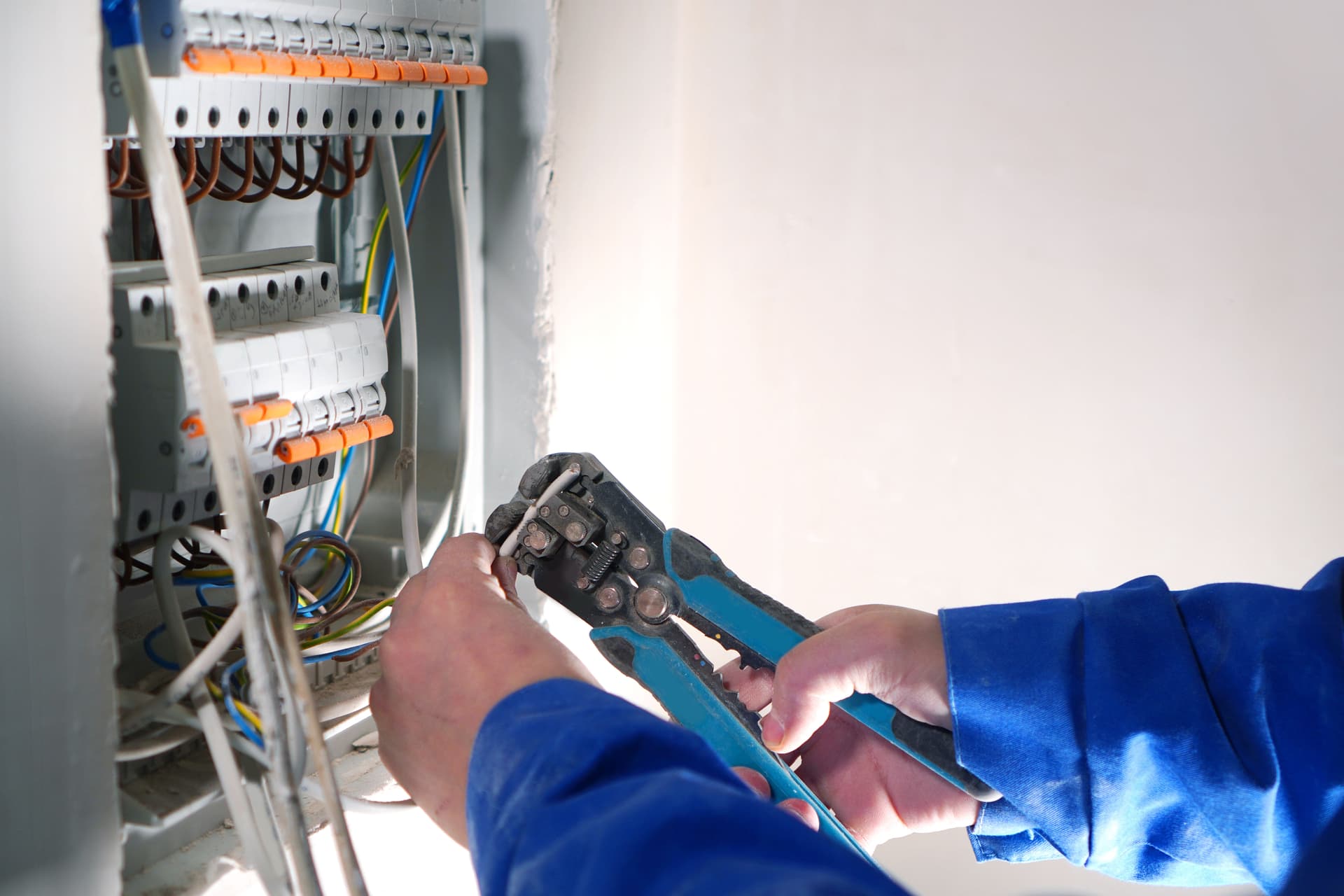
Circuit breakers are one of the most overlooked components in a home—until something goes wrong. Yet your breaker panel is arguably the most important safety device in your house. It’s the last line of defense between a minor electrical issue and a potential fire.
In Mesa, panels work especially hard year-round, handling air conditioning, pool equipment, EV chargers, and modern electronics. Understanding electrical code—and why it matters—can help you avoid costly mistakes and keep your home safe.
This is not a DIY guide. Electrical work in Mesa requires permits and must be performed or supervised by a licensed electrician. Think of this as your homeowner’s guide to understanding safe, code-compliant breaker installations.
Understanding Mesa Electrical Codes
Arizona follows the National Electrical Code (NEC), which is enforced locally by the City of Mesa.
The NEC updates every 3 years
Mesa typically follows recent versions (2017 or 2020 NEC in most cases)
Older homes may be legal but outdated
Key takeaway:
You don’t have to upgrade existing wiring just because codes changed—but any new work must meet current code.
How Circuit Breakers Actually Protect You
Circuit breakers protect wiring, not appliances.
They shut off power when current exceeds safe limits—but only if properly sized.
Correct Breaker-to-Wire Pairing (Required by Code)
15-amp breaker → 14 AWG wire
20-amp breaker → 12 AWG wire
30-amp breaker → 10 AWG wire
If a breaker is oversized for the wire, the wire can overheat before the breaker trips—a major fire risk.
AFCI Protection (Arc Fault Safety)
Modern code requires Arc Fault Circuit Interrupters (AFCIs) in most living areas.
They detect dangerous electrical arcing—something standard breakers cannot do.
Required Areas Include:
Bedrooms
Living rooms
Hallways
Kitchens
Laundry rooms
When this matters:
Adding new circuits
Renovations requiring permits
Yes, AFCIs cost more and can be sensitive—but they prevent one of the leading causes of electrical fires.
GFCI Protection: Breaker vs Outlet
Ground Fault Circuit Interrupter (GFCI) protection can be installed two ways:
At the outlet (common)
At the breaker (protects entire circuit)
Both are code-compliant.
GFCI Required Locations:
Bathrooms
Kitchens (near sinks)
Garages
Outdoors
Laundry areas
Pool/spa systems
If your home predates these rules, you may not be required to upgrade—but it’s strongly recommended for safety.
Panel Capacity & the “120% Rule”
This is where things get misunderstood.
Just because your panel has empty slots doesn’t mean it has capacity.
The 120% Rule:
A panel’s total connected load cannot exceed 120% of its busbar rating.
Example:
200A panel → max 240A total (including solar backfeed)
This matters if you’re adding:
Solar systems
EV chargers
Generators
You may need:
Load calculations
Panel upgrades
Proper breaker placement
Tandem Breakers: Not Always Allowed
Tandem breakers (two circuits in one slot) are legal only if the panel is rated for them.
Common issue:
Panels overloaded with tandems beyond their listing
This is a code violation, even if everything “fits.”
Panel Labeling Is Required
Every breaker must be clearly labeled.
Examples:
“Kitchen outlets”
“Master bedroom lights”
“AC unit”
Not acceptable:
“Misc”
“Lights”
This isn’t just about code—it’s critical during emergencies.
Required Clearance Around Panels
Electrical panels must have:
36 inches clearance in front
30 inches width
6.5 feet height
No storage. No obstructions.
This is often an issue in:
Garages
Laundry rooms
Utility closets
Blocked panels = safety hazard + code violation.
When You Need a Permit in Mesa
You need a permit for:
Panel upgrades or replacements
Adding circuits
Installing subpanels
EV charger circuits
Generators or transfer switches
Service entrance changes
Permits ensure:
Code compliance
Safety verification
Protection during resale or insurance claims
The Bottom Line
Circuit breaker safety comes down to three things:
Proper sizing
Code compliance
Professional installation
Small mistakes in a panel can lead to major consequences.
If you’re:
Dealing with tripping breakers
Planning upgrades
Adding new electrical loads
…it’s worth having your system evaluated by a licensed electrician.
FAQs
Do I need to upgrade my panel to meet current code?
No—unless you’re doing new work. Existing systems are usually grandfathered in.
Can I replace a breaker myself?
Not recommended. You’ll be working inside a live panel, and mistakes can be dangerous and non-compliant.
Most common code violations?
Incorrect breaker-to-wire sizing
Overloaded panels
Too many tandem breakers
Missing GFCI/AFCI protection
When is AFCI required?
For most living areas in new construction and new circuits in existing homes.
Do I need a permit to add a circuit?
Yes. Mesa requires permits and inspections for new circuits.
Final Thought
Your electrical panel isn’t something you think about every day—but when it fails, the consequences can be serious.
Understanding code basics helps you ask the right questions, avoid shortcuts, and make informed decisions about your home’s safety.
If something seems off, it’s worth getting it checked.